
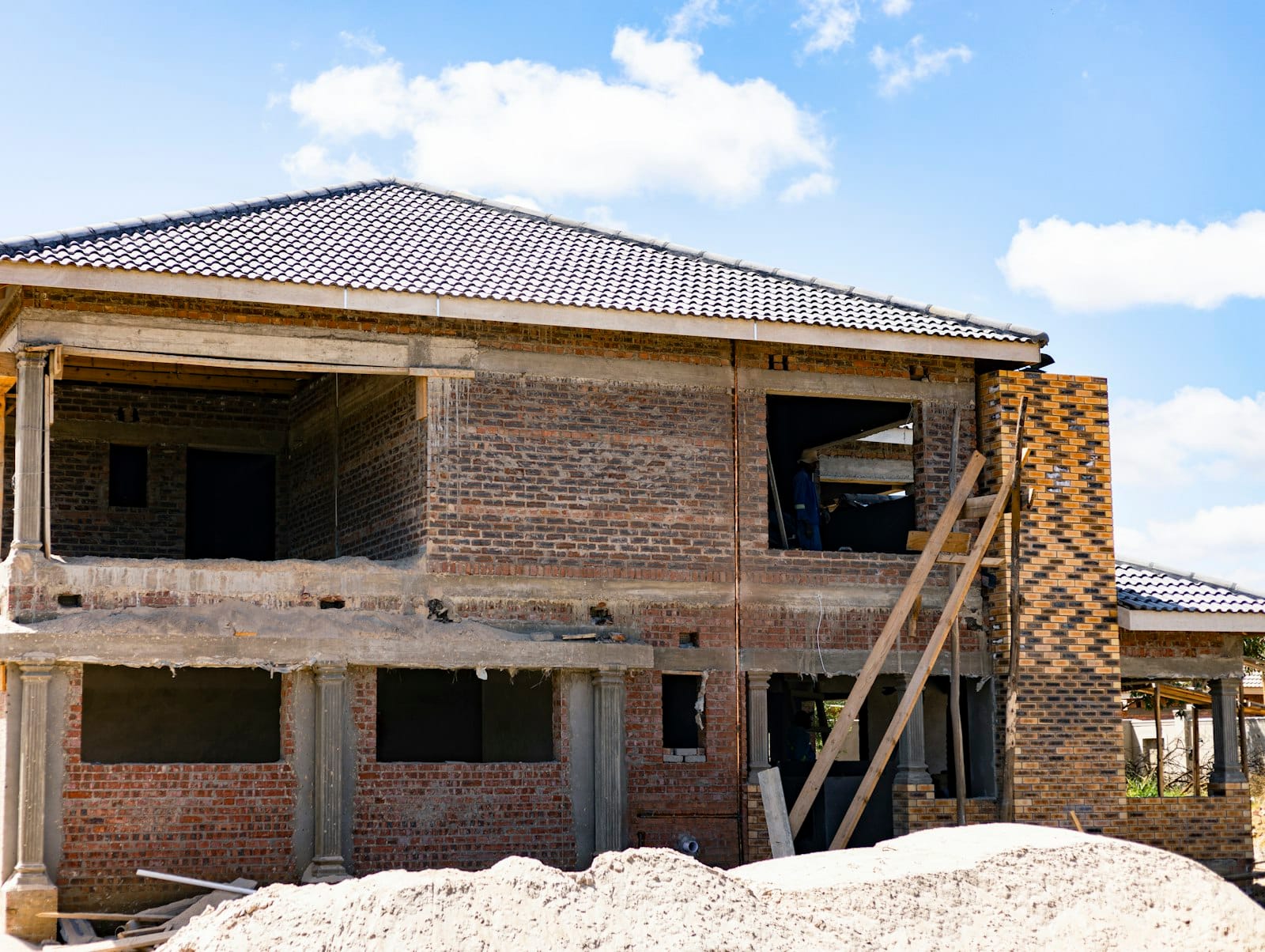

Building a new home is exciting, but the finance works differently from buying an established house. A construction loan releases money in stages as your builder finishes each part of the job, so you only borrow what the build needs at each point. This guide explains progress payments, “as if complete” valuations, why lenders want a fixed-price contract, and what happens when a build runs over budget or over time.
How a Construction Loan Differs From a Standard Home Loan
With a standard home loan, the lender pays the full amount to the seller at settlement, and you start full repayments straight away. By contrast, a construction loan pays your builder in instalments, called progress payments or drawdowns. Before each payment, many lenders arrange an inspection to confirm that the stage is actually finished.
As a result, the loan grows gradually. In most cases you pay interest only on the money drawn so far, so repayments start small and rise as the build moves forward. Once the home reaches completion, the loan usually switches to normal principal and interest repayments, although some borrowers arrange a longer interest-only period.
If you are buying land first, the lender often settles the land, then adds the building funds. Our construction loans page explains the land and build stages in more detail.
Typical Progress Payment Stages
Most NSW building contracts follow a similar pattern, although the stage names and the percentage paid at each stage vary from contract to contract. A common schedule looks like this:
- Deposit: paid when you sign the building contract.
- Base or slab: footings and the slab are complete.
- Frame: the wall and roof frames are up, ready for inspection.
- Lock-up: external walls, roof, windows and doors are in, so the house can be locked.
- Fixing: internal linings, cabinetry, doors and fittings go in.
- Practical completion: the builder finishes the home and hands it over.
For the deposit, NSW Fair Trading guidance on home building contracts says the maximum deposit a builder can ask for is 10% of the contract price. Also, for work that needs home building compensation cover, the builder can’t ask for a deposit until that cover is in place and you hold the certificate. The same guidance says contracts over $20,000 must include a progress payment schedule, and that payments should match the work carried out.
Lenders usually spend your own contribution first. In other words, if you have savings going into the build, the lender typically wants those used on the early stages before it releases loan funds. Therefore, check that the builder’s schedule lines up with what your lender will fund, because a stage that front-loads payments can leave a gap.
Interest During the Build
During construction, most lenders charge interest only on the amount drawn. For example, after the slab payment you pay interest on the land loan plus the slab amount, not on the full loan. However, after several rate rises in 2026, those repayments can climb faster than people expect, especially if you are also paying rent or an existing mortgage.
So it pays to map out your cash flow for every stage before you sign. If you are doing a knockdown rebuild, you will usually need somewhere else to live for the whole build, which is often the biggest hidden cost.
“As If Complete” Valuations
Because the house doesn’t exist yet, the lender asks a valuer to estimate what the finished property will be worth. To do that, the valuer looks at your land, the plans, the specifications and the building contract. The lender then bases the loan on that “as if complete” figure, together with the total cost of land and build.
If the valuation comes in lower than the total cost, you may need to put in more of your own money or change the plans. Meanwhile, a vague contract makes the valuer’s job harder, which is one reason lenders care so much about the paperwork.
Why Fixed-Price Contracts Matter
Lenders generally prefer a fixed-price contract with a licensed builder, because it gives them a clear total cost to lend against. Even so, a fixed price is only as firm as its allowances. Watch for these:
- Variations: changes to the agreed work after signing. NSW guidance says variations must be in writing, and they can push the cost well above the loan amount.
- Provisional sums: estimates for work that can’t be priced exactly yet, such as excavation on a sloping block. If the real cost is higher, you pay the difference.
- Prime cost items: allowances for fixtures you choose later, such as appliances or tapware. Choosing above the allowance adds to the price.
For that reason, a contract with large provisional sums can lead some lenders to ask for evidence that you can cover overruns. Similarly, owner-builder projects are harder to finance. Many lenders won’t lend for owner-builder construction at all, and those that do usually apply tighter limits.
Home Building Compensation Insurance in NSW
In NSW, licensed builders must take out home building compensation (HBC) cover for each home building project over $20,000 including GST. According to the NSW Government’s insurance cover guidance, HBC cover protects homeowners as a last resort if the builder can’t finish the work or fix defects. You can also check a builder’s cover with the HBC Check tool before you pay anything. Lenders generally ask for the certificate before they release the first payment.
When a Build Runs Over Budget or Over Time
Building costs often move once work starts, and our article on renovation and construction costs explains why. Unfortunately, lenders won’t always increase a construction loan mid-build. If costs rise, you may need to cover the gap from savings, or apply for a top-up, which means a fresh assessment of your income and the property value.
Delays create a different problem, because many lenders set a maximum construction period, and longer builds mean more months of interest plus rent. In addition, many lenders want a final inspection, and often the occupation certificate, before they release the last payment. A contingency buffer, set aside before you start, makes both situations far easier to manage.
Documents Lenders Need for a Construction Loan
For a construction loan, lenders usually ask for:
- A signed fixed-price building contract with a licensed builder, including the progress payment schedule.
- Plans and specifications, plus quotes for any work outside the contract.
- Council development approval (DA) or a complying development certificate (CDC).
- The builder’s home building compensation certificate of insurance.
- Your usual income, identification and savings documents.
It often helps to get pre-approval before you sign with a builder, so you know your borrowing range while you finalise the design.
Building in the Sutherland Shire
Across the Shire, many construction loans fund knockdown rebuilds of older homes on larger blocks. Our knockdown rebuild and duplex finance guide covers demolition, duplexes and approvals in detail.
However, one local issue deserves a mention. Much of the upper Shire, including parts of Menai and Engadine and Heathcote, sits near bushland. If your block is bushfire-prone, the home needs a bushfire attack level (BAL) assessment, and a higher BAL adds construction requirements and cost. The NSW Rural Fire Service explains building on bush fire prone land. So get the BAL assessed before the contract is final, and the loan can then cover the true price.
Finally, if you would like help with the finance side, I can compare construction loans from dozens of lenders and check that your contract and payment schedule suit how each lender funds a build. I work with Shire clients face to face, and with clients across Australia by phone and video.
Construction Loan FAQs
Contracts, Deposits and Owner-Builders
Some lenders consider other contract types, such as cost plus contracts, but most prefer a fixed-price contract with a licensed builder. A fixed price gives the lender a clear total cost, so your options are usually wider and simpler.
NSW Fair Trading guidance says the maximum deposit under NSW home building law is 10%. If a builder asks for more, check the contract carefully and seek advice before you pay.
It is harder. Many lenders don’t lend to owner-builders, and those that do often apply lower limits and stricter conditions. Speak to us early if you plan to manage the build yourself.
Interest and Costs
Usually not. Most lenders charge interest only on the amount drawn so far, so repayments start small and increase as each progress payment goes out.
Often not. Driveways, landscaping, fencing and window coverings may sit outside what the lender funds, so budget for them separately or ask whether the builder can include them in the contract.
Planning a build or a knockdown rebuild? Book a free first chat and we’ll talk through your contract, payment schedule and borrowing range. Home loan broking is generally at no direct cost to you, as the lender may pay me a commission when the loan settles. You’ll also receive our Credit Guide, which explains how we’re paid, before we start working together.
The information on this page is general in nature and does not take into account your objectives, financial situation or needs. Lending criteria, fees and charges apply. Consider whether it is appropriate for you and speak to us for advice specific to your situation.
Need Some Help?
Not sure where to start? That’s exactly what we’re here for. Drop us a message and we will get back to you within one business day with clear, honest advice tailored to your situation.


